
AI Dashcams and Smart Accident Detection in 2026
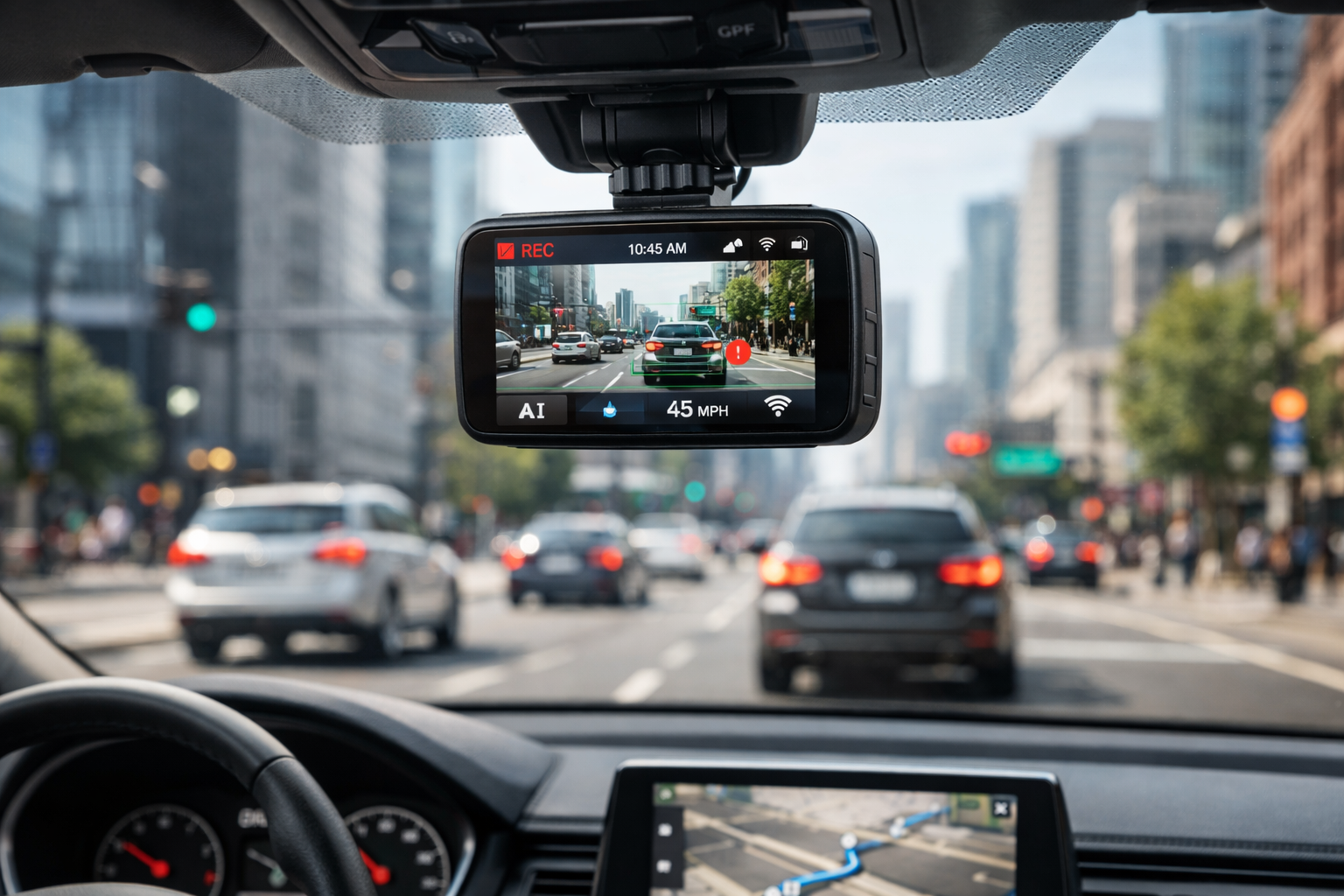
AI dashcams are transforming how accidents are recorded and understood. These smart devices use artificial intelligence to detect collisions, analyze driving behavior, and capture real-time evidence. In 2026, this technology is becoming a major factor in accident documentation, insurance claims, and driver safety.
What Are AI Dashcams and How Do They Work?
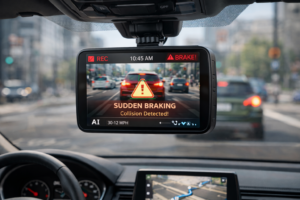
AI dashcams go beyond traditional video recording. They use machine learning algorithms to monitor the road, detect hazards, and automatically save footage when an unusual event occurs. These systems can identify sudden braking, lane departures, or collisions within seconds.
Many models also include GPS tracking, speed monitoring, and cloud storage. This combination creates a detailed record of events before, during, and after a crash. According to NHTSA road safety data, advanced driver assistance technologies are becoming more common in everyday vehicles.
Drivers who already follow safe driving practices, such as those discussed in our defensive driving tips guide, may find that AI dashcams add another layer of protection.
Real-Time Accident Detection and Alerts
One of the biggest advantages of AI dashcams is real-time accident detection. When a crash occurs, the system can instantly recognize the impact and trigger emergency protocols. This may include saving footage, sending alerts, and even notifying emergency contacts.
Some advanced systems can connect to emergency services automatically. This feature can be especially helpful in situations where the driver is unable to respond. The Insurance Institute for Highway Safety highlights how these technologies are improving response times after crashes.
For drivers concerned about accident response, our article on “Understanding the Legal Consequences of Road Accidents” provides additional guidance that pairs well with these tools.
How AI Dashcams Strengthen Accident Evidence
Accident evidence plays a major role in determining fault and processing insurance claims. AI dashcams provide clear video footage along with data such as speed, location, and driving patterns.
This information may help clarify what happened during a collision. For example, AI can analyze whether a vehicle suddenly changed lanes or failed to stop in time. According to Consumer Reports, data-driven safety features are becoming essential in modern vehicles.
Drivers interested in understanding liability may also benefit from reading our guide on “How AI is Revolutionizing Car Accident”.
Privacy and Legal Considerations
While AI dashcams offer many benefits, they also raise privacy concerns. Continuous recording may capture pedestrians, other drivers, and private property. Regulations around dashcam use vary depending on location, especially regarding audio recording and data storage.
Some systems upload footage to the cloud, which raises questions about data security and access. The Federal Trade Commission provides general guidance on protecting personal data in connected devices.
Drivers should review local laws and understand how their data is stored and shared. Transparency in how footage is used may become increasingly important as this technology evolves.
Integration With Smart Vehicles and Insurance
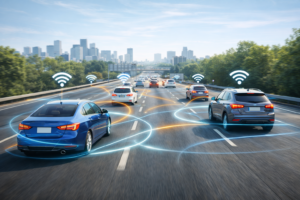
AI dashcams are increasingly integrated with smart vehicle systems. In 2026, many cars come equipped with built-in cameras that connect with onboard AI. These systems can sync with mobile apps, providing drivers with instant access to footage and driving reports.
Insurance companies are also taking notice. Some insurers may consider dashcam footage when reviewing claims. Others are exploring usage-based insurance models that rely on driving data.
The rise of connected technology aligns with trends covered about smart car safety features, where digital tools are shaping safer driving environments.
Benefits for Everyday Drivers
AI dashcams offer several advantages for daily driving. They can help document incidents, discourage risky behavior, and provide peace of mind on the road. Drivers who frequently travel in high-traffic areas may find these systems especially useful.
In addition to safety, these devices can assist with driver awareness. Features like lane departure warnings and forward collision alerts can help reduce the likelihood of accidents. The SAE International notes that advanced safety features are becoming standard in modern vehicles.
Challenges and Limitations
Despite their benefits, AI dashcams are not perfect. Environmental factors such as poor lighting or weather conditions may affect camera performance. False alerts may also occur if the system misinterprets certain movements.
Additionally, not all drivers may feel comfortable relying on automated systems. There is still a need for attentive driving and responsible behavior behind the wheel.
Understanding these limitations is important for anyone considering this technology. Combining AI tools with safe driving habits may create a more balanced approach to road safety.
The Future of Accident Detection Technology
Looking ahead, AI dashcams are expected to become even more advanced. Future systems may include predictive analytics that identify potential accidents before they happen. Integration with vehicle-to-vehicle communication could also allow cars to share safety data in real time.
These innovations may change how accidents are prevented and documented. As technology continues to evolve, drivers may see more tools designed to enhance safety and accountability on the road.

Should You Consider an AI Dashcam?
AI dashcams are becoming more accessible and widely used. For drivers who want additional protection and documentation, these devices may be a practical option. They provide a combination of video evidence, real-time alerts, and advanced safety insights.
However, choosing the right system depends on individual needs. Factors such as budget, features, and compatibility with your vehicle should be considered.
As discussed in our article on car accident evidence, having reliable documentation may play a significant role in understanding what happened during a crash.
Conclusion
AI dashcams are reshaping the way accidents are recorded and analyzed. With real-time detection, detailed data collection, and integration with modern vehicles, these systems are becoming a key part of road safety in 2026.
While they come with challenges, their potential benefits for documentation and awareness are significant. As more drivers adopt this technology, AI dashcams may continue to influence how accidents are understood and addressed in the future.